Inspection Negotiations in 2026: What Florida Buyers Can Reasonably Ask For
In 2026, the strongest Florida inspection negotiations are focused, safety-first, and evidence-based. Ask for repairs (or credits) on major systems and safety issues, not cosmetics. Use your inspection period to confirm condition, clarify insurance risks, and decide whether the home still makes sense.
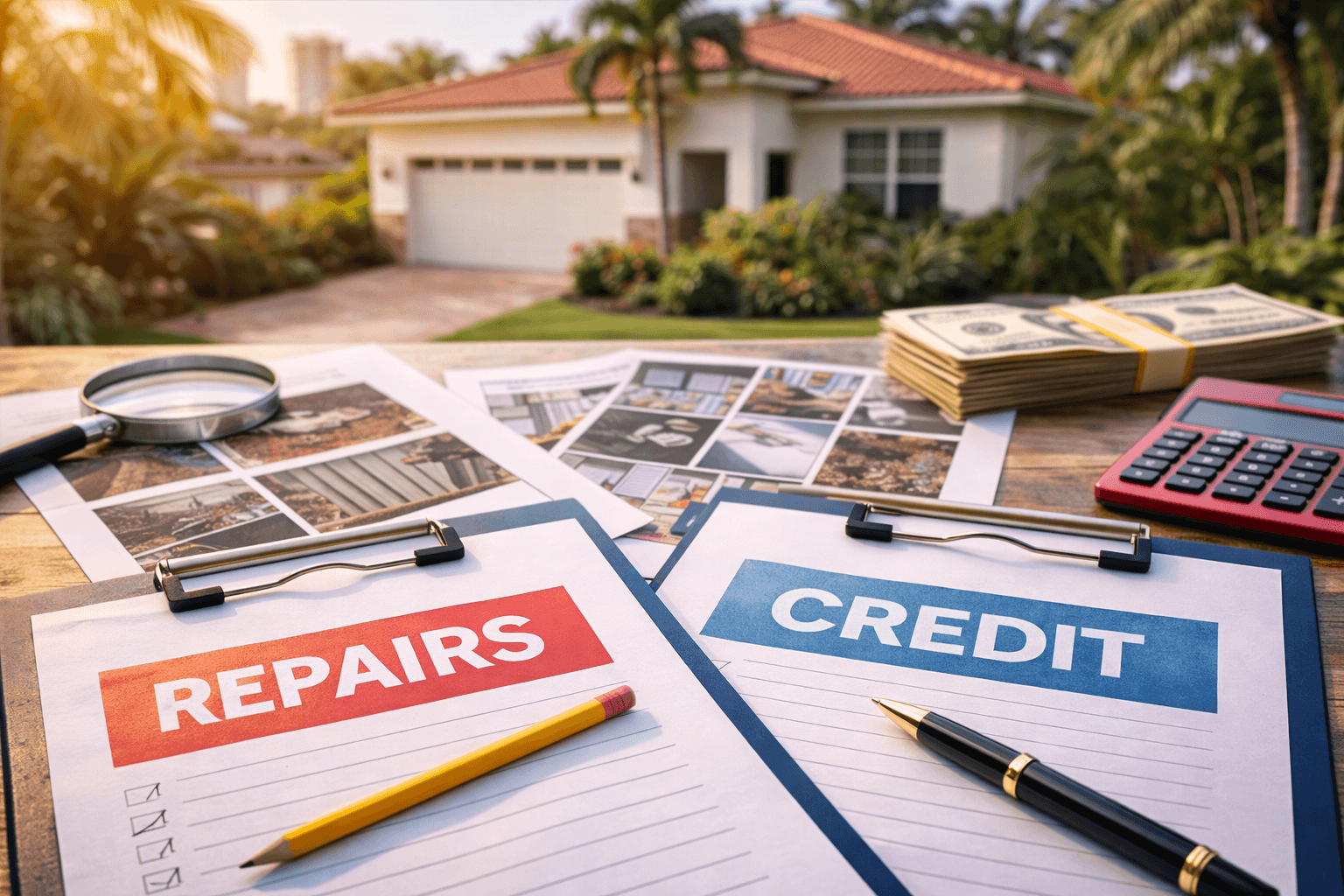
Inspection negotiations are where many Florida deals either get smoother or get emotional.
The goal is not to "win" the inspection. The goal is to protect your budget and reduce risk while staying reasonable so the seller keeps working with you.
Florida contracts, insurance rules, and HOA requirements make inspection negotiations different here than in many other states, especially in South Florida markets.
Here's a practical framework buyers in Broward, Miami-Dade, and Palm Beach can use in 2026.
1) The difference between "reasonable" and "reach"
Reasonable requests (usually supported)
Safety hazards (electrical, gas, structural concerns)
Active leaks or water intrusion (roof leaks, plumbing leaks)
Major systems near failure (A/C not cooling, failing water heater)
Termite damage or active infestation
Code or permit red flags (unpermitted work that creates risk)
Reach requests (often backfire)
Cosmetic upgrades (paint, dated cabinets, minor drywall)
Normal wear and tear (small cracks, worn fixtures)
"We want it perfect" lists that look like a remodel plan
2) Florida-specific: what matters most in inspections
Roof + water intrusion
A roof issue is not just a repair question in Florida. It can become an insurance and closing timeline issue.
If the report suggests a limited roof life, your strongest options are:
repair of verified leak points
roof certification (when appropriate)
credits when replacement timing is the real issue
Learn why this matters for buyers: Florida Home Insurance in 2026: What Buyers Must Budget For.
Electrical and plumbing
These are classic "reasonable request" categories, especially when the report shows:
unsafe wiring, overloads, or hazards
active plumbing leaks or failing shutoffs
HVAC (A/C)
In South Florida, A/C is not optional. If the system isn't functioning properly, request:
repair by licensed HVAC contractor
service documentation
or credit if replacement is likely
3) Repairs vs. credits vs. price reduction (what to ask for)
Ask for repairs when:
the fix is clear and measurable (stop leak, replace broken component)
you need it completed to close or insure the home
Ask for a credit when:
there are multiple smaller issues
you want control over the contractor and timeline
the seller is unlikely to manage repairs well
Ask for a price reduction when:
the issue affects long-term value (major defects)
the market supports renegotiation
Related budgeting guide: The True Cost of Owning a Home in South Florida in 2026 (What Your Mortgage Doesn't Show).
4) The "clean request list" that gets yes more often
When you submit your inspection response, keep it short:
Top 3–6 items only
Include inspection page references and photos when available
Use contractor estimates for higher-cost items
Offer options: "repair X" or "credit Y"
Prioritize what impacts safety, insurability, and major systems
These guidelines reflect common inspection negotiations we see in active South Florida transactions, not theoretical best practices.
If you're not sure what's typical, start with first-time buyer guidance: 10 Mistakes First-Time Buyers Make in South Florida (And How to Avoid Them).
5) What's a deal-breaker in 2026?
Deal-breakers are personal, but these commonly justify walking away or renegotiating hard:
active roof leaks with unknown scope
structural movement concerns
recurring moisture/mold indicators
safety hazards the seller refuses to address
multiple major systems failing at once
If the numbers don't work after inspection, it's better to protect reserves than force a bad deal.
For negotiation scenarios when value is in question, see: How to Protect Your Deal If Your Florida Home Appraises Low.
Final takeaway
A strong Florida inspection negotiation in 2026 is not a long wish list. It's a focused risk-reduction plan that keeps the deal moving while protecting the buyer.
Next steps
If you're under contract in Broward, Miami-Dade, or Palm Beach and want to know whether an inspection item is worth negotiating or walking away from:
Get pre-approved in minutes: Start your application now
Explore Florida homebuyer programs: You don't need 20% down
Book a strategy call: Schedule a call
EZ Funding Group, Inc. NMLS #349022 | Jaime Charouf NMLS #348964 | Equal Housing Lender