In 2026, "normal" HOA fees in Florida depend on the property type. Many townhome and gated communities in Broward run $150–$400/month, while many condos in Miami-Dade, Broward, and Palm Beach run $350–$800+/month (and luxury buildings can be higher). The real risk isn't the fee: it's what it may be hiding: weak reserves, rising insurance, and looming special assessments.
In 2026, some Florida condos are still not mortgage-eligible because of building-level issues like weak reserves, big special assessments, structural concerns, heavy litigation, investor concentration, or poor financials. These "non-warrantable" condos are harder to finance and sometimes cash-only. Buyers can avoid surprises by running a simple early building check with their agent and lender.
SB 154 and related laws pushed Florida condos toward better safety, stronger reserves, and stricter oversight. In 2026, that means buyers must look beyond granite countertops and pool views and focus on milestone inspections, SIRS (Structural Integrity Reserve Studies), reserve funding, and special assessments. These changes improve safety but can also mean higher dues and tougher mortgage approval in some buildings.
Quick answer: In 2026, Florida condo buyers cannot afford to treat special assessments as fine print. Before you offer, you need clear answers on past, current, and potential future assessments, the association’s reserve balance and funding plan, recent inspection findings, and how insurance costs are changing. A low list price in a weak building can be far more expensive, and harder to finance, than a higher-priced unit in a financially healthy association.
In 2026, many buyers in Miami-Dade, Broward, and Palm Beach should expect $3,500–$8,000+ per year in homeowners insurance, with some properties costing more depending on roof age, wind protections, and location. Insurance can easily add $300–$700+ per month to your payment, so it must be part of your budget from day one.
In 2026, many South Florida homeowners spend $800–$1,500+ per month on top of their mortgage once you add insurance, HOA or condo fees, property taxes, utilities, and maintenance. The buyers who feel comfortable after closing are the ones who budget for all five, not just principal and interest. These numbers reflect what buyers actually experience after closing, not best-case estimates.
In 2026, most Florida buyers need about 7%–10% of the purchase price in total cash to close, including down payment, closing costs, inspections, prepaids, and early move‑in expenses. On a $450,000 home, that usually means $31,500–$45,000 before any seller credits or assistance programs. These numbers surprise buyers who focus only on the down payment, but they're exactly what lenders and title companies require.
In 2026, Florida buyers are navigating tighter rules, stubbornly high insurance, stricter condo standards, and calmer but still competitive markets. What hasn't changed is what actually gets you the keys: clean documentation, realistic budgets, and choosing properties that work with Florida's insurance and condo rules, not against them.
A holiday-week catch-up: light trading kept markets mostly sideways, but the average 30-year fixed edged to near two-month lows as bonds got a small lift from Europe and pending home sales improved.
Inflation slowed in November after peaking earlier this fall. Here’s what that means for mortgage rates and what homebuyers should watch next.
The Fed cut rates by 0.25% and ended quantitative tightening, but the real story for the average 30-year fixed is in the dot plot and Powell’s comments. Here’s what that means for mortgage rates and homebuyers.
Most buyers in Miami-Dade, Broward, and Palm Beach can expect total closing costs (excluding down payment) of roughly 2%–4% of the purchase price in 2025. On a $450,000 purchase, that's often $9,000–$18,000, depending on county taxes, title fees, and services like inspections and surveys, not on your interest rate.
Is new construction worth it in 2025? For buyers in Broward and Miami-Dade, the answer depends less on flashy ads and more on understanding builder incentives, smart upgrades, warranty coverage, realistic timelines, and total costs. When you know how South Florida builder incentives work and what delays construction, you can get more value without closing-day surprises.
Mortgage rates bounced around but stayed in a tight range near the low 6% area this week, while purchase applications hit their highest level since early 2023 and refinance demand more than doubled compared to last year. Here’s what that means if you’re thinking about buying or refinancing.
Quick answer: For young professionals moving to Miami-Dade, the best neighborhoods balance walkability, nightlife, transit, commute, and cost. In 2025, Brickell, Wynwood, Coral Gables, Coconut Grove, and Doral stand out as the top choices for under‑40 buyers who want a strong social scene and a realistic daily routine.
The costly mistake: Buyers in Broward and Miami-Dade often choose a fixer-upper because the list price is lower, then discover their "deal" costs $60,000–$120,000+ more than expected. That discounted home can end up more expensive than buying turnkey. This guide shows you the real all-in cost of both paths, so you can decide with confidence.
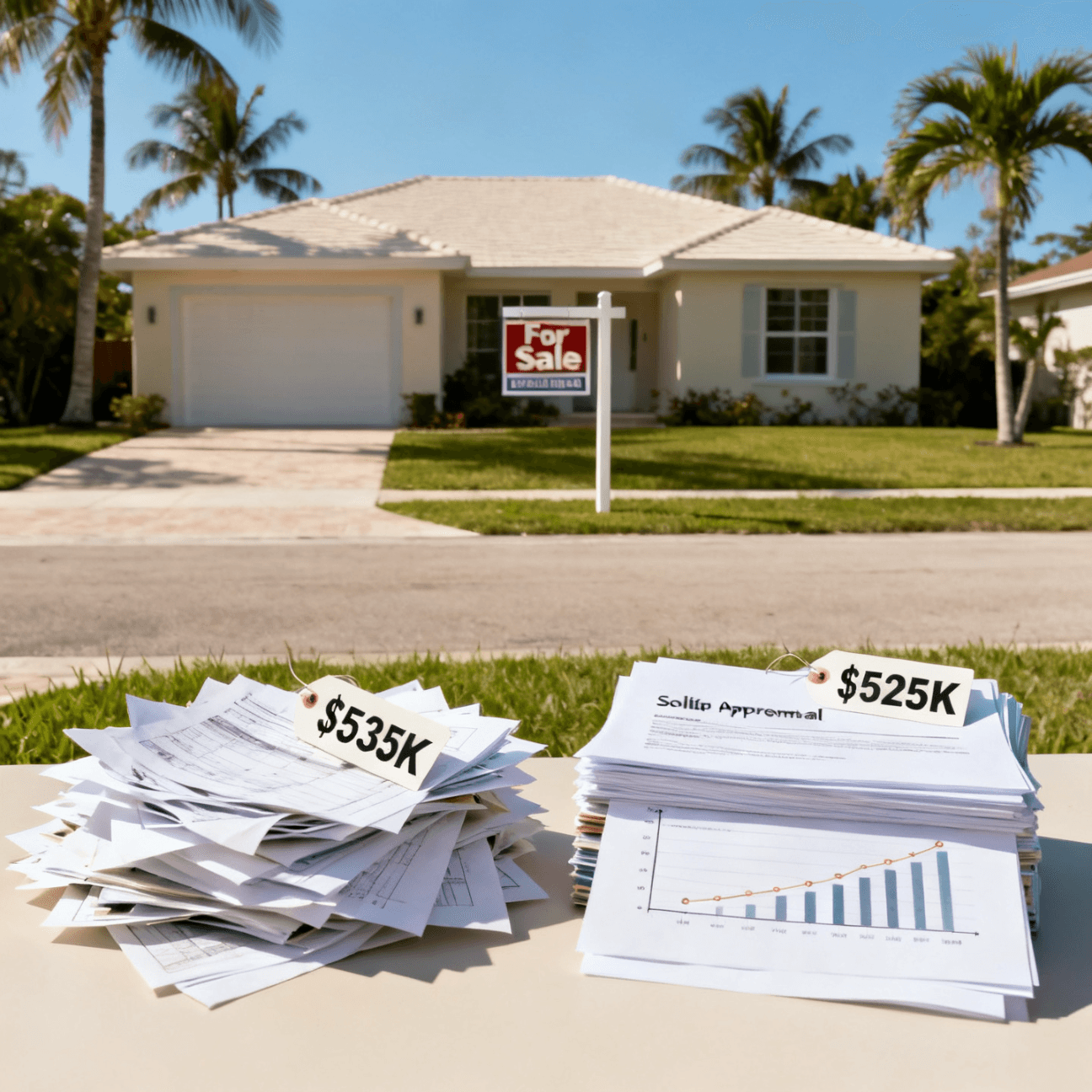
Quick answer: When a Florida home appraises below your contract price, you're facing an appraisal gap. Your choices are to renegotiate the price, ask for seller credits, split the difference, adjust how much cash you bring in, or appeal the appraisal. The right move depends on your numbers, the strength of the appraisal, and how motivated both sides are to close.
In Florida's ever-changing insurance market, understanding how your policy works can make all the difference between a smooth closing and an unexpected setback. Whether you're buying your first home or navigating a competitive offer situation, knowing what drives your premium—and which homes will be easier to insure—gives you a powerful advantage.
In Miramar, Pembroke Pines, Hollywood, Weston, Davie, Plantation, and across Broward and Miami-Dade, first-time buyers don't have to out‑cash investors. You win when you show up fully prepared, write clean, confident offers, and make it easy and low‑stress for the seller to say yes, even if you're using financing. This guide is purely strategy-based, not rate-based.
Quick answer: Many South Florida buyers can qualify for a mortgage with a credit score as low as 580 for FHA and VA loans, and 620 for most conventional loans. Your score is important, but it's not everything. Strong income, stable employment, and smart credit habits can help you qualify sooner than you think.