Recent Articles
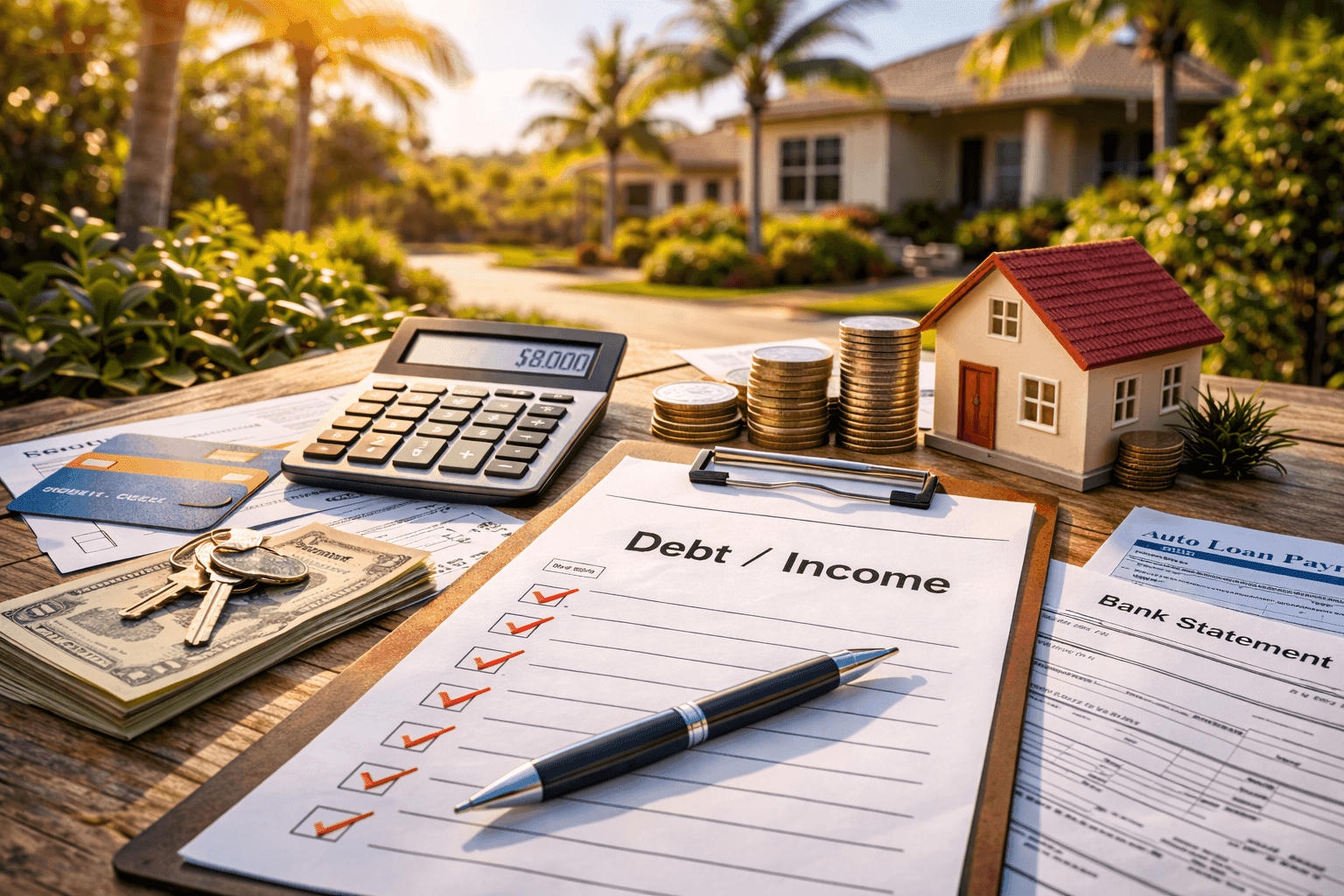
Debt-to-Income Ratio (DTI) Explained With Real Florida Examples (2026)
Your debt-to-income ratio (DTI) measures how much of your gross monthly income goes toward debt payments, including your future housing payment. In 2026, Florida buyers must factor in insurance, taxes, and HOA fees because these costs directly impact how much home you can qualify for.

BIG NEWS: Mortgage Rates Are at Their Lowest Level in Years—What That Means for You
Find out what this rate drop means to you for buying a new home.
How to Read a Loan Estimate (LE) Like a Pro: A Florida Buyer's 2026 Walkthrough
A Loan Estimate (LE) is the 3-page snapshot of your mortgage terms and expected closing costs. In 2026, the smartest Florida buyers compare LEs by focusing on cash to close, section A+B fees, and insurance + escrow numbers (which can swing a South Florida payment fast).
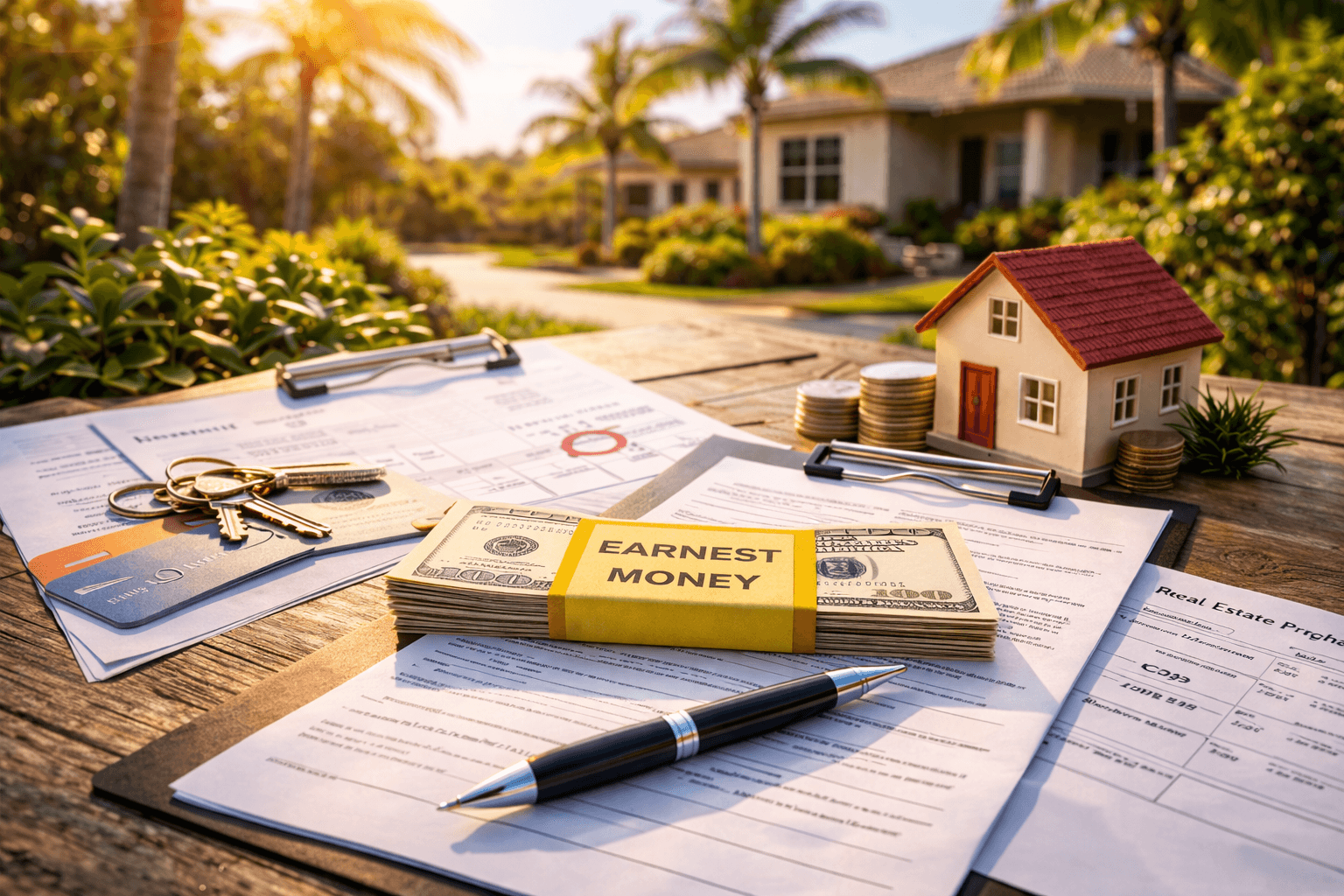
Earnest Money in Florida (2026): How Much Is Typical, Deadlines That Matter, and When You Can Lose It
In 2026, earnest money in Florida typically ranges from 1% to 3% of the purchase price (sometimes higher in competitive markets). You risk losing it when you miss a contract deadline or cancel outside your contingency protections. The best way to protect your deposit is to understand your inspection, appraisal, and financing deadlines and work closely with your lender and agent before signing.
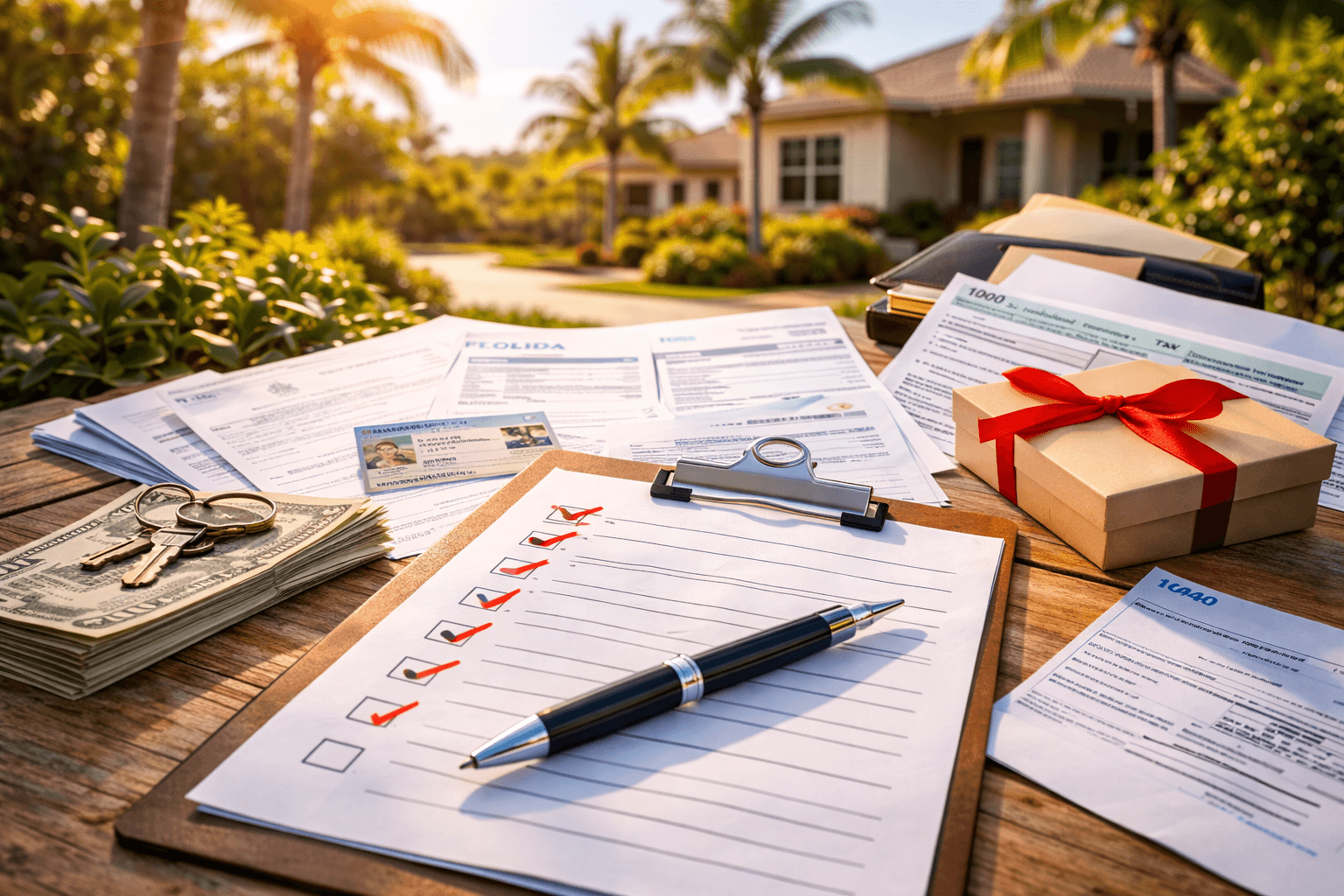
The 2026 Pre-Approval Checklist: Documents Florida Buyers Should Gather Before Shopping
In 2026, the fastest Florida pre-approvals happen when your income, assets, and debts are fully documented upfront. Gathering pay stubs, tax returns, bank statements, ID, and gift fund documentation before touring homes reduces underwriting delays and strengthens your offer in Broward, Miami-Dade, and Palm Beach.
Florida Homebuying Myths That Still Confuse Buyers in 2026
Most Florida homebuying "rules" people repeat in 2026 are half-true. The biggest misconceptions are about down payment, cash-to-close, insurance, HOA/condo costs, and what "pre-approved" really means. When you know the Florida reality, you make calmer decisions, and avoid expensive surprises.

Renting vs Buying in South Florida in 2026: A Lifestyle Comparison
In 2026, the best choice in Broward, Miami-Dade, and Palm Beach often comes down to lifestyle risk vs lifestyle freedom. Renting usually wins for flexibility and low responsibility. Buying often wins for stability and long-term control, but only when the home passes the Florida reality check (insurance, HOA, and maintenance).

Is Homeownership Still Worth It in South Florida in 2026?
For many households, homeownership in South Florida is still worth it when the monthly payment is sustainable and the property passes the "Florida reality check" (insurance, HOA/condo health, and maintenance). Renting can feel safer short-term, but buying can still create stability and long-term wealth when the numbers truly work.
Florida Construction Delays: How Long New Construction Takes in 2026 (Realistic Timelines)
In 2026, many Florida inventory/spec homes close in about 45–120 days, while build-to-order homes often take 6–12+ months. The two biggest causes of delays are permits/inspections and weather (rain + storm season).