Property Taxes in Florida: What New Buyers Need to Know (Updated for 2026)
In 2026, Florida property taxes typically run 1%–1.5% of your purchase price annually, but the amount can reset when you buy. The Florida Homestead Exemption can reduce your taxable value by up to $50,000, and the Save Our Homes cap limits how much your assessed value can increase each year (3% or CPI, whichever is lower). New buyers in Broward, Miami-Dade, and Palm Beach should budget based on their purchase price, not the seller's old tax bill.
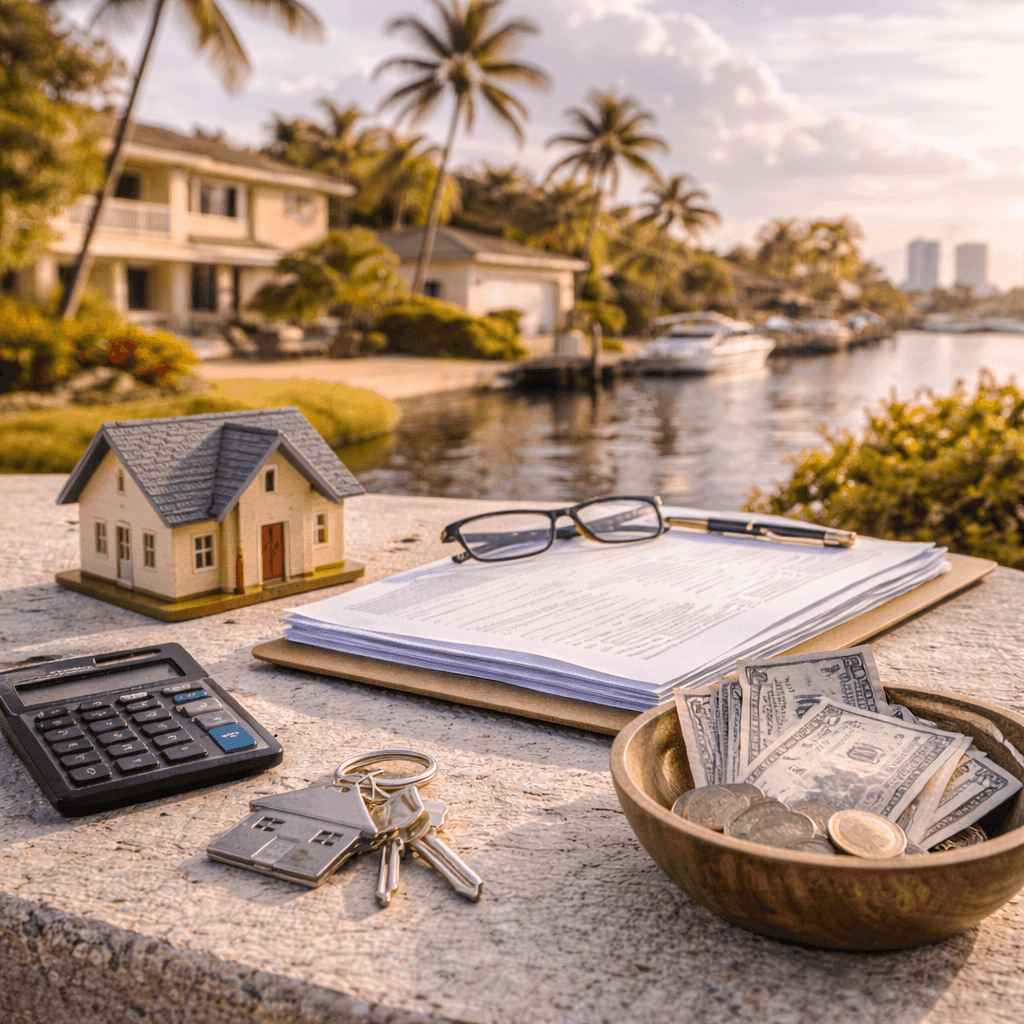
If you're buying in Miramar, Pembroke Pines, Hollywood, Weston, or anywhere in the region, property taxes are part of the monthly payment reality and not just a closing-day detail. Understanding how they work before you offer can prevent budget shock later.
1) How property taxes actually work in Florida (plain English)
Florida doesn't have a state income tax, so property taxes fund local schools, roads, fire departments, and services.
Here's the basic formula:
County appraisers determine your home's assessed value
Local governments set a millage rate (the tax rate, expressed per $1,000 of assessed value)
Your annual tax bill = (assessed value – exemptions) × millage rate
Key point: Millage rates vary by county, city, and special districts. That's why two similar homes in different cities can have very different tax bills—even in the same county.
For a complete picture of what homeownership actually costs in 2026, see the true cost of owning a home in South Florida (beyond the mortgage payment).
2) The Florida Homestead Exemption: your biggest tax break
If you buy a primary residence in Florida and file for homestead exemption, you can reduce your taxable value by up to $50,000.
How it breaks down:
First $25,000: Applies to all property taxes
Second $25,000: Applies to non-school taxes (your school board taxes won't get this second portion)
Example:
Home assessed at: $400,000
After homestead exemption: $350,000 taxable for schools; even lower for non-school taxes
Result: Lower tax bill every year you live there
Important: You must apply for homestead exemption by March 1 of the year you want it to take effect. It's not automatic. If you buy later in the year, you won't receive the homestead exemption until the following tax year.
3) Save Our Homes cap: protection from market spikes
Once you have homestead exemption, the Save Our Homes cap kicks in.
What it does:
Limits how much your assessed value can increase each year to 3% or the change in CPI, whichever is lower
Protects you from dramatic tax increases even when market values skyrocket
Real-world impact:
If you bought in 2020 for $300,000 and your home is now worth $450,000, your assessed value (what you're taxed on) has only increased by the capped amount each year, not by the full $150,000 market gain.
This is why sellers often have much lower tax bills than what new buyers will pay.
4) Reassessment when you buy: the surprise new buyers face
When you purchase a home, the county can reassess the property at or near your purchase price.
Common mistake:
Buyers see the seller's current tax bill online and think, "That's affordable." But the seller may have owned the home for years with homestead protection, meaning their assessed value is artificially low compared to today's market.
Your tax bill will likely be higher based on what you paid.
How to budget correctly:
Use your purchase price as the baseline assessed value
Subtract homestead exemption (up to $50,000) if it's your primary residence
Multiply by your local millage rate to estimate your annual bill
Example: New Buyer Tax Estimate (South Florida) Purchase price: $500,000 Estimated tax rate: 1.2% Estimated annual taxes: $6,000 After homestead exemption: ~$5,300–$5,500 Monthly escrow impact: ~$440–$460
For a realistic view of total cash you'll need at closing (including escrows for taxes), read how much cash Florida buyers really need in 2026.
5) County-by-county: Broward vs Miami-Dade vs Palm Beach
Broward County (Miramar, Pembroke Pines, Weston, Hollywood)
Typical effective rate: ~1.0%–1.3% of market value
Often predictable; master-planned communities may have CDD or Mello-Roos fees on top of property taxes
Miami-Dade County (Miami, Doral, Hialeah, Kendall)
Typical effective rate: ~1.2%–1.5% of market value
Higher property values + additional city taxes can push bills higher
Coastal areas especially impacted
Palm Beach County (West Palm, Boca Raton, Wellington, Boynton Beach)
Typical effective rate: ~1.0%–1.3% of market value
Inland communities often offer lower taxes than coastal zones
More variation by municipality
If you want to understand how insurance, taxes, and HOA fees all add up, start with what buyers need to know about property taxes in South Florida before closing.
6) Portability: moving your homestead benefit
If you're selling a Florida home where you had homestead exemption and buying another primary residence in Florida, you may be able to transfer (or "port") some of your Save Our Homes benefit to your new home.
Portability can save you thousands per year, especially if you've owned your current home for a long time.
How to use it:
File for portability when you apply for homestead exemption on your new home
You typically have two years from the date you abandoned your old homestead to apply
The benefit amount you can transfer is capped, but it's still valuable
7) What gets added to your monthly payment (escrows)
Most lenders escrow your property taxes, meaning:
A portion of your estimated annual tax bill is added to your monthly mortgage payment
The lender holds these funds and pays your taxes on your behalf
If taxes go up (or down), your monthly payment adjusts
This is why buyers are often surprised when their payment changes after the first year—taxes can reset after purchase, and escrow accounts adjust accordingly.
For full transparency on what affects your monthly payment, see why Florida home insurance is so high and how it impacts your budget.
8) The biggest property tax mistakes new buyers make
Mistake #1: Budgeting using the seller's old tax bill
Solution: Always estimate taxes based on your purchase price, not the listing's tax history.
Mistake #2: Forgetting to file for homestead exemption
Solution: Mark March 1 on your calendar and file as soon as you close (you can file for the following year).
Mistake #3: Not factoring in portability when moving within Florida
Solution: Ask your county property appraiser about portability if you're selling another Florida home.
Mistake #4: Assuming taxes stay flat forever
Solution: Plan for modest increases over time (repairs to your home, market changes, millage rate adjustments).
Frequently Asked Questions
Do property taxes go up every year in Florida?
Not necessarily. With homestead exemption and the Save Our Homes cap, your assessed value can only increase by 3% or CPI (whichever is lower) annually. However, millage rates set by local governments can change, and improvements to your property may also increase your assessed value.
Does homestead exemption apply automatically?
No. You must file for homestead exemption with your county property appraiser by March 1. It is not automatic when you purchase a home.
Can renters claim homestead exemption?
No. Homestead exemption only applies to property owners who use the home as their primary residence.
Does homestead exemption reduce my mortgage payment?
Indirectly, yes. Homestead exemption lowers your property tax bill, which reduces the amount escrowed into your monthly mortgage payment for taxes.
Final takeaway
In 2026, Florida property taxes are predictable when you plan for them correctly. The homestead exemption and Save Our Homes cap offer real protection for primary homeowners, but new buyers must budget based on their purchase price, not the seller's old bill. Understanding reassessment, filing deadlines, and portability before you buy can save you thousands every year.
Most surprises we see come from buyers who didn't budget for the tax reset—not from a lack of available protections.
Next steps
If you're buying in Broward, Miami-Dade, Palm Beach, or anywhere in Florida and want help estimating your real monthly payment (including taxes, insurance, and HOA):
Get pre-approved in minutes: Start your application now
Explore Florida homebuyer programs: Learn about low-down-payment and first-time buyer options
Book a strategy call: Schedule a call to review your plan and avoid costly mistakes
EZ Funding Group, Inc. NMLS #349022 | Jaime Charouf NMLS #348964 | Equal Housing Lender