What Inspection Items Matter Most to Lenders and Insurers
In 2026, lenders and insurers care less about cosmetic defects and more about insurability, safety, and big-system risk. The inspection items most likely to impact your mortgage approval or insurance ability in Florida are roof condition, water intrusion, electrical hazards, plumbing failures, HVAC condition, and property issues that trigger insurance underwriting. These items can delay closing, raise your monthly payment through higher premiums, or make a property hard to finance at all.
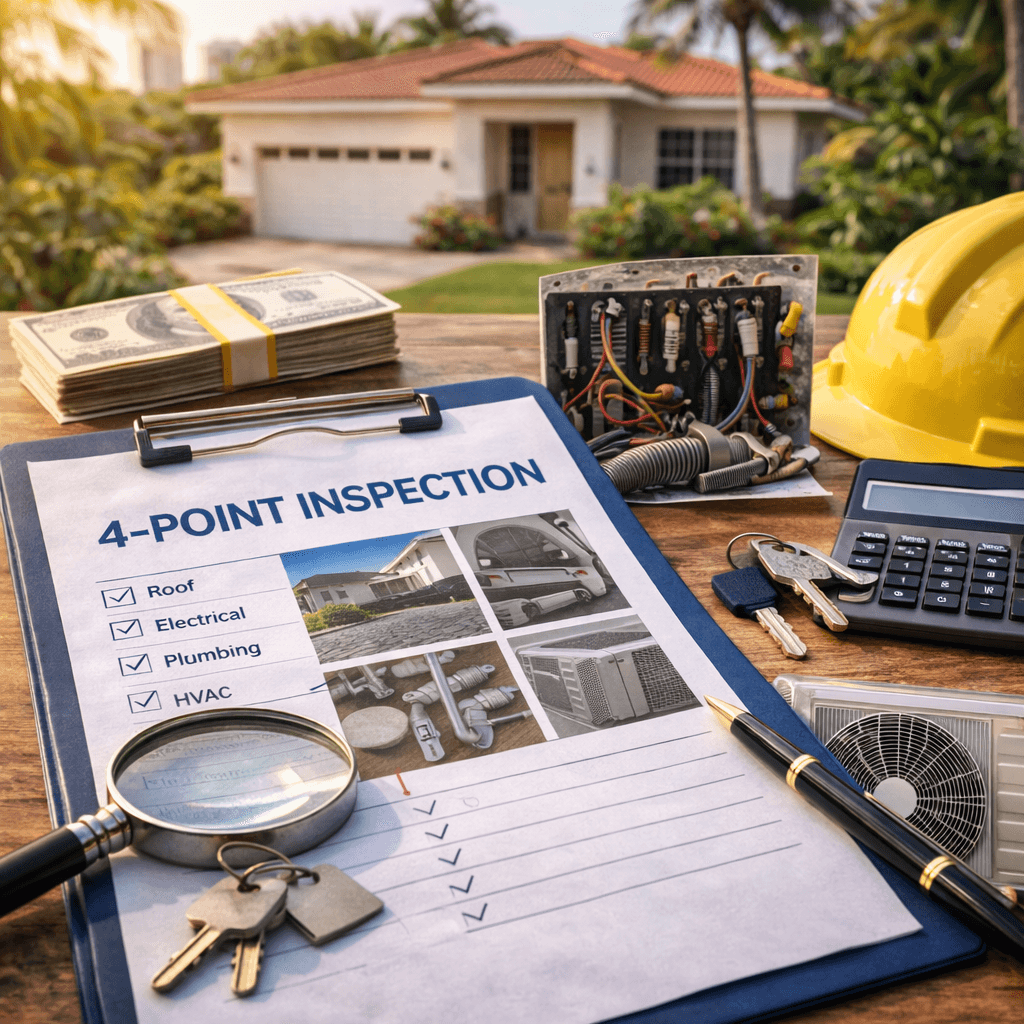
If you want to negotiate smarter after inspection, start with the issues that can actually stop (or stall) the deal.
1) The lender's mindset vs. the insurer's mindset (why both matter)
Lenders care about two things:
Can the home be insured so the loan can close?
Does the property meet basic safety and livability standards for the loan guidelines?
Insurers care about:
How likely is a large claim?
How expensive will a claim be (especially after wind, water, or roof damage)?
What must be repaired before the policy can be bound?
That overlap is why "inspection priorities" in Florida are really insurance priorities. For example, a lender may approve the loan based on income and credit, but if the insurer refuses to bind coverage due to roof age or electrical hazards, the loan cannot close. If you want a deeper explanation of what underwriters verify beyond your credit score, read what mortgage underwriters actually look for in 2026.
2) The top inspection items that can affect financing or insurance (Florida 2026)
A) Roof condition + remaining useful life
Roof issues are one of the biggest reasons Florida deals slow down late.
What raises flags:
Active leaks or evidence of repeated repairs
Roof near end of insurer-acceptable life or with limited remaining useful life for underwriting
Missing documentation on replacements or repairs
Flat roofs or roof types insurers are stricter about
Roofs that may require replacement or certification before binding
Why it matters: Roof risk is directly tied to underwriting and premiums. If you are still trying to understand the bigger "why," see why Florida home insurance is so high and how buyers can navigate it.
B) Water intrusion, moisture, and drainage problems
In Florida's climate, lenders and insurers treat water issues as a serious indicator of future damage.
Red flags include:
Stains on ceilings or around windows
Mold-like odor or visible microbial growth
Poor exterior drainage that pushes water toward the foundation
Old or failing seals around penetrations (roof, windows, doors)
Why it matters: Insurers are far more concerned about active or recurring moisture than properly repaired, documented past issues—but unresolved water history often triggers deeper underwriting review. Water problems become repeat claims, expensive repairs, and sometimes coverage exclusions.
C) Electrical hazards (especially panels and unsafe wiring)
Electrical issues are a classic "must fix" category.
Common red flags:
Unsafe or outdated panels
Improper wiring, double taps, exposed conductors
DIY electrical work with no permits or questionable workmanship
Why it matters: Electrical hazards increase fire risk, and some insurers will require repairs before binding coverage.
D) Plumbing problems (leaks, aging supply lines, and shutdown risk)
Plumbing issues can create immediate damage risk and long-term insurance risk.
Examples that matter:
Active leaks or past leak evidence
Aging supply lines or materials insurers scrutinize
Failing shutoffs, corrosion, weak water pressure (often a sign of bigger issues)
E) HVAC function and age (especially in South Florida)
A/C is not optional in Broward, Miami-Dade, and Palm Beach.
Red flags:
Unit not cooling properly or short-cycling
Evidence of poor maintenance
System near end-of-life without documentation
Why it matters: It affects livability, budget planning, and the buyer's ability to move in without immediate major costs.
3) The "4-point inspection" items that get the most attention
Even when your general home inspection is fine, insurance underwriting often comes down to 4-point categories:
Roof
Electrical
Plumbing
HVAC
If you want the insurance side broken down in plain English (and why it impacts your mortgage approval), this guide helps: Florida Home Insurance in 2026: What Buyers Must Budget For.
What surprises Florida buyers most: Homes can pass a general inspection and still fail insurance underwriting due to roof age, electrical panels, or plumbing materials flagged on a 4-point inspection.
4) What matters least (and why buyers still stress about it)
These issues usually matter to the buyer, but rarely block financing or insurance:
Minor cosmetic defects
Dated finishes
Small cracks from settling (unless structural concerns are indicated)
Normal wear and tear
This is why smart inspection negotiations stay focused. If you want a practical framework for "reasonable vs reach," reference: Inspection Negotiations in 2026: What Florida Buyers Can Reasonably Ask For.
5) How to prioritize your repair requests (the lender/insurer-first checklist)
When you receive the report, triage issues in this order:
Insurability issues (roof life, electrical hazards, major water intrusion)
Safety hazards (electrical, structural concerns, major trip/fall hazards)
Active damage (leaks, moisture intrusion, failing systems)
Budget killers (high-probability near-term replacements: roof, HVAC, major plumbing work)
Cosmetics and preferences (lowest priority)
If you're under contract in Broward, Miami-Dade, or Palm Beach, this checklist can help you decide what to negotiate, and what not to stress over, before deadlines hit.
This approach also supports smarter offer strategy in competitive situations, especially when you are trying to keep terms clean. See how to compete with investors and cash offers in South Florida.
Final takeaway
In 2026 Florida transactions, the inspection items that matter most are the ones that affect insurance approval, safety, and big-system risk. If you focus on those first, you will negotiate more effectively, avoid preventable closing delays, and protect your monthly payment.
Next Steps
Get pre-approved in minutes: Start your application now
Explore Florida homebuyer programs: Learn about low-down-payment and first-time buyer options
Book a strategy call: Schedule a call to review your plan and avoid costly mistakes
EZ Funding Group, Inc. NMLS #349022 | Jaime Charouf NMLS #348964 | Equal Housing Lender