Flood Zones in South Florida: How They Affect Insurance and Your Monthly Payment
In South Florida, your flood zone can affect (1) whether flood insurance is required for financing, (2) how much it costs, and (3) your monthly payment because flood premiums may need to be paid up front or included in escrow. Even inland homes in Broward, Miami-Dade, and Palm Beach can fall in higher-risk flood zones.
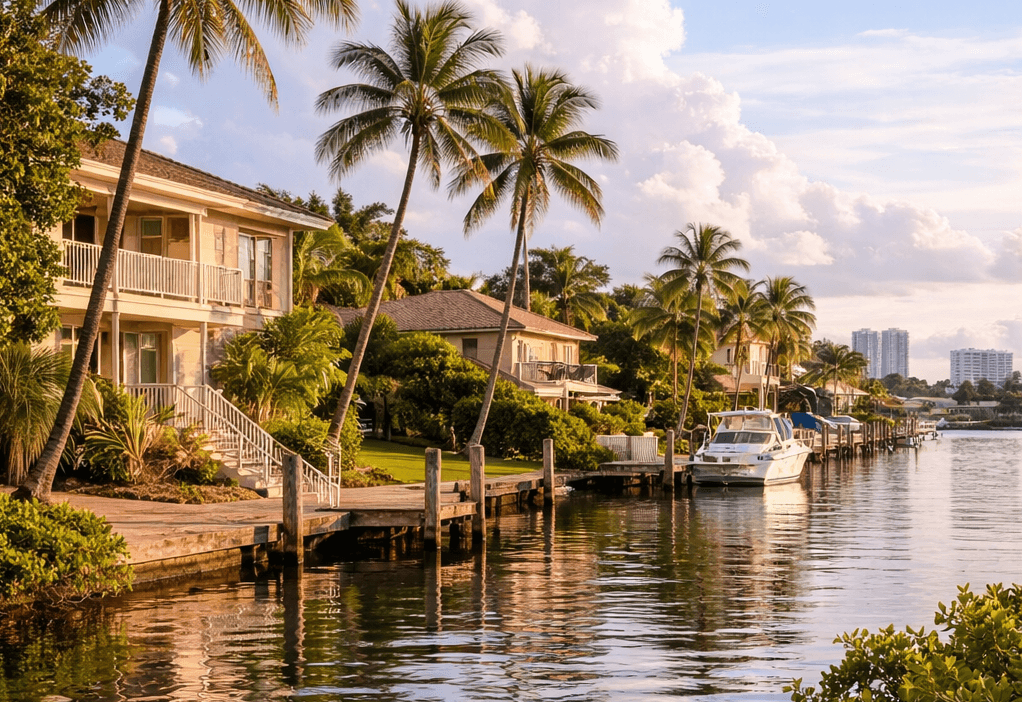
If you're shopping in Miramar, Pembroke Pines, Hollywood, or Weston, flood risk is a budgeting issue, not just a weather issue. It's also part of the broader picture of the true cost of homeownership in South Florida, not something to think about after you're under contract.
1) What "flood zone" really means (plain English)
A flood zone is a risk category assigned by FEMA on a Flood Insurance Rate Map (FIRM). It estimates how likely an area is to flood.
Two important clarifications:
Flood zones describe risk, not certainty. A low-risk zone can still flood.
Flood zones can change over time as maps are updated.
This is similar to how other insurance factors work in Florida: risk-based, location-specific, and constantly evolving.
In short: Flood zones are FEMA's way of telling you how likely flooding is in a specific location—and that directly affects insurance requirements and costs.
2) Common FEMA flood zones in South Florida and what they mean
You will usually see zones like these:
Zone X (Moderate/Lower Risk)
Often described as outside the "Special Flood Hazard Area."
Flood insurance is typically not required by lenders in many Zone X cases, but it can still be smart depending on property specifics.
Zone AE / A (Higher Risk)
These are commonly in the "Special Flood Hazard Area."
If you're getting a mortgage, flood insurance is often required in these zones.
Coastal high-risk zones (often V zones)
These tend to carry the highest risk and can have higher insurance costs.
Exact labeling varies by map and location.
Key point: The zone alone doesn't tell the full story. Elevation, structure type, and lender rules all matter especially for condos, where insurance and financing eligibility overlap.
3) When flood insurance is required (typical buyer scenario)
Flood insurance is commonly required when:
You are using a mortgage, and
The home is in a FEMA-designated high-risk zone, and
The lender follows standard flood compliance rules (most do)
For condos, this can get even more complicated. Buyers sometimes assume the association's policy solves everything, only to discover financing issues late in the process.
Cash buyers can choose to skip flood insurance, but skipping coverage does not remove flood risk. For financed buyers, "required vs optional" directly affects affordability.
In short: Don't wait until under contract; flood insurance planning starts before your offer.
4) How flood insurance affects your South Florida monthly payment
Flood insurance can impact your payment in two ways:
A) The premium itself
Flood insurance is typically a separate policy from homeowners insurance, meaning an additional annual cost buyers must plan for.
B) How it's paid (cash vs escrow)
Some lenders require flood insurance to be escrowed, which increases the monthly payment. Others allow annual payment, which still affects affordability even if it's not monthly.
This is why buyers should budget based on what Florida home insurance actually costs today, not outdated estimates or assumptions from past years.
Our team can provide a flood insurance quote scenario before you write an offer, so you know your monthly payment up front.
5) The most common flood zone mistakes buyers make
Assuming "inland" means "no flood risk." Inland parts of Broward, Miami-Dade, and Palm Beach still flood.
Waiting too late to quote flood insurance. Late surprises can derail approvals.
Not confirming exact property location details. One street can change everything.
Ignoring deductibles and coverage limits. The cheapest policy isn't always the safest.
These mistakes are especially costly for buyers using low-down-payment programs. Even though you don't need 20% down to buy a home in South Florida, insurance and escrows still shape cash-to-close and monthly comfort.
6) What to do before you offer (simple checklist)
Before writing an offer:
Check the property's FEMA flood zone
Request flood insurance quote scenarios early
Confirm whether flood insurance must be escrowed
Budget beyond just principal, interest, and standard homeowners insurance
Lock in your flood insurance early to avoid last-minute delays.
Final takeaway
In 2026, flood zones are not just a map detail. They can determine whether flood insurance is required, how much it costs, and what your real monthly payment looks like in South Florida. Buyers who check flood risk early protect both their approval and their peace of mind, long before closing day.
Next steps
Get pre-approved in minutes: Start your application now
Explore Florida homebuyer programs: Learn about low-down-payment and first-time buyer options
Book a strategy call: Schedule a call to review your plan and avoid costly mistakes
EZ Funding Group, Inc. NMLS #349022 | Jaime Charouf NMLS #348964 | Equal Housing Lender